A Guide to Choosing the Right Livestock Fence Rolls

Matching Roll Size and Type to Your Livestock
The first step in selecting the right livestock fence roll is to consider the animals you need to contain. Different animals have unique behaviors that demand specific fence heights, materials, and mesh spacing. A fence designed for a calm herd of cattle will not work for curious goats or high-jumping deer.
Fencing for Cattle Operations
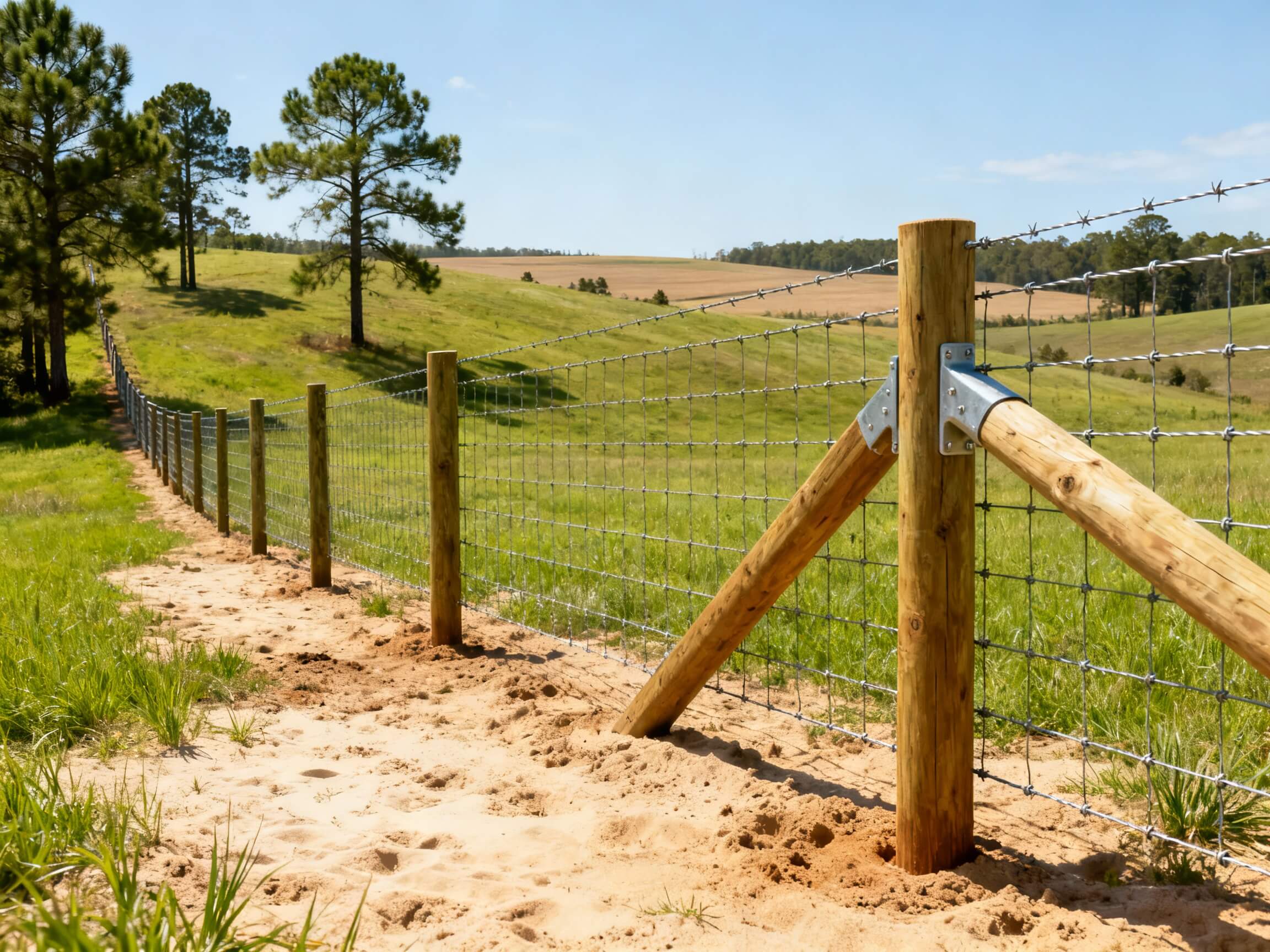
For cattle, strength is the most important factor. A proper cattle fence roll should feature high-tensile wire, typically 12.5-gauge, which has a breaking strength of over 1,300 pounds TejasRanchFence.com. This ensures your fence can withstand the pressure of large animals leaning against it.
Standard heights for cattle fences are typically 48 to 52 inches. This provides a sufficient physical and visual barrier to keep your herd contained. Combining this height with a strong, high-tensile wire creates a dependable perimeter for pastures in areas like Dothan, Alabama or Marianna, Florida.
Secure Fencing for Goats and Sheep
Goats are notoriously clever escape artists, so your fence needs to be designed to outsmart them. A 4ft goat fence is a common standard, but the mesh opening is just as important as the height. Look for woven wire with smaller 4”x4” squares to prevent goats from sticking their heads through and getting stuck or climbing.
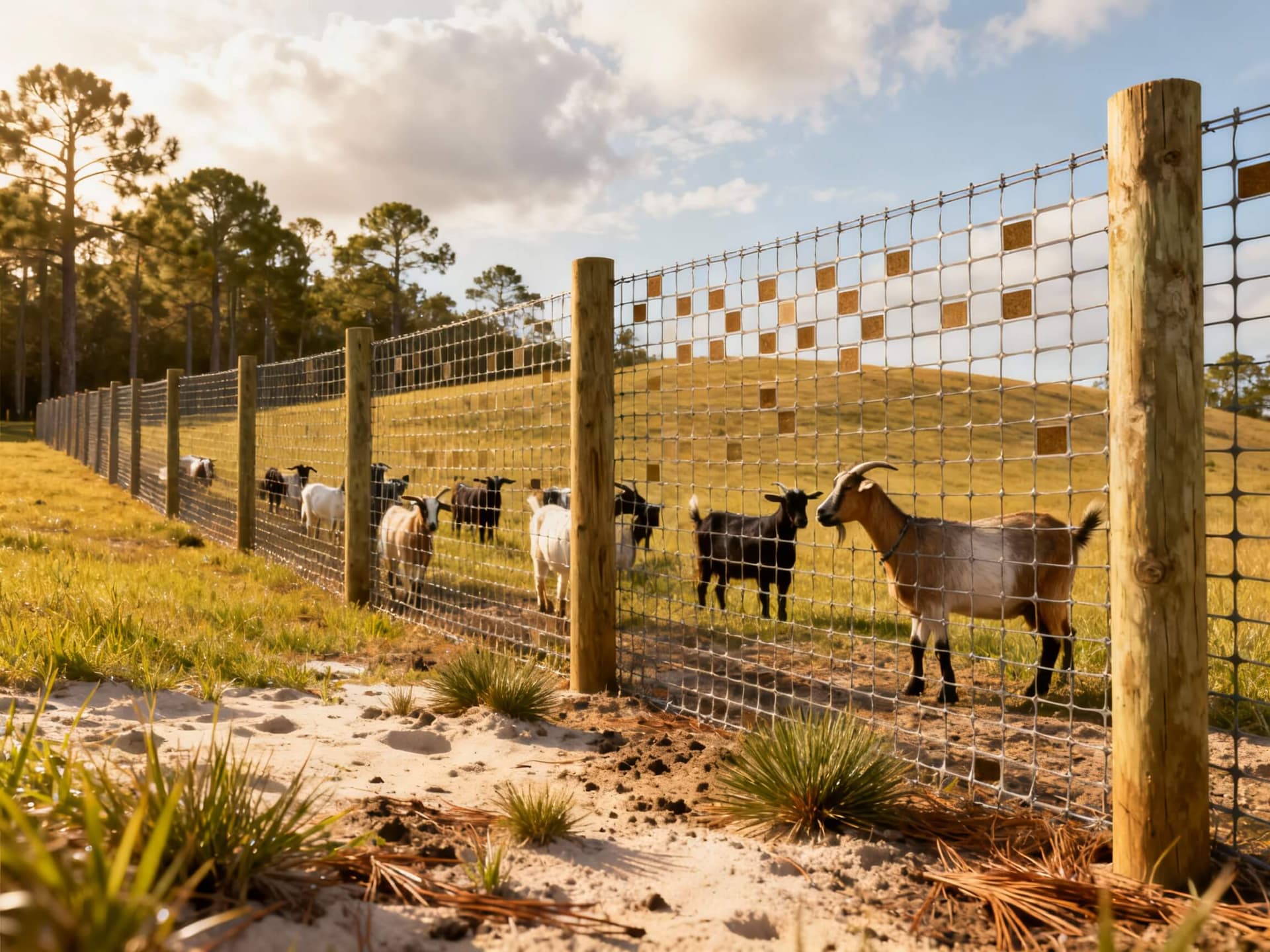
For operations with smaller breeds or in areas with high predator pressure, a tighter mesh can provide extra security. When considering goat fencing for sale, always check the wire spacing to ensure it’s suitable for your specific herd.
Fencing for Deer and Exotic Animals
Containing deer or protecting your property from them requires a much taller barrier. An 8 deer fence is the industry standard for both containment and exclusion. These animals are powerful jumpers, and a fence lower than seven or eight feet will not reliably stop them.
Fixed-knot wire is an excellent choice for deer fencing. Its superior strength and rigidity help it stand up to a running impact, which is a common occurrence with wild or exotic game aorund properties in Ocala, Gainesville, and Tallahassee.
Comparing Key Fence Roll Materials
Once you know the height and general type you need, it's time to choose the wire material. The two most common options for modern farms in the Southeast are traditional woven wire (hinge-joint) and high-tensile fixed-knot wire. Each has its own set of benefits depending on your budget and long-term goals.
Woven Wire (Hinge-Joint): The Flexible Standard
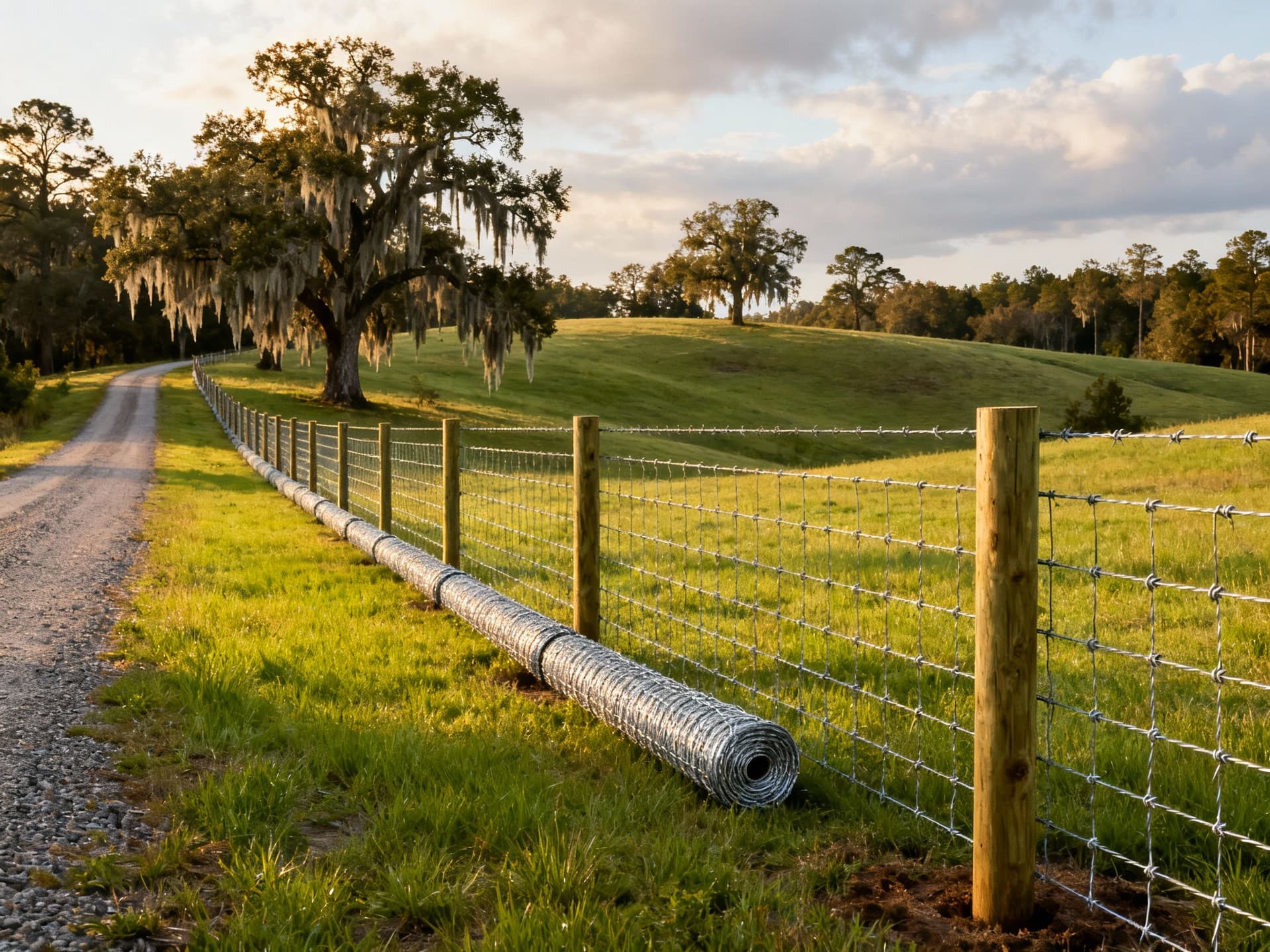
Woven wire, or hinge-joint fencing, is a versatile and cost-effective choice. The knots are designed to flex, which allows the fence to conform to the rolling terrain often found across South Georgia and parts of the Florida Panhandle. This flexibility makes installation easier on uneven ground and helps it absorb some impact.
High-Tensile Fixed-Knot: The Long-Term Investment
For ranchers seeking maximum durability, high-tensile fixed-knot is the best option. The solid, non-flexible knot provides unmatched strength, making it nearly 2.75 times stronger than standard low-carbon wire. This strength allows for post spacing up to 20 feet apart, saving significant costs on posts and labor.
With a service life that is two to three times longer than traditional wire, fixed-knot fencing is a superior long-term investment. It resists sagging and requires far less maintenance, giving you a fence that will last for decades.
Quick Comparison: Woven Wire vs. High-Tensile
- Cost: Woven wire has a lower upfront cost per roll. High-tensile often has a similar or lower installed cost due to needing fewer posts.
- Lifespan: High-tensile fixed-knot lasts 40+ years, while woven wire typically lasts 15-30 years.
- Maintenance: Woven wire may sag and require periodic re-tightening. High-tensile stays tight and requires minimal maintenance.
- Best Use Case: Woven wire is great for mixed livestock on rolling hills. High-tensile is the top choice for cattle, predator exclusion, and anyone wanting a fence that lasts a lifetime.
Adapting Your Fence for the Tri-State Climate and Terrain
Need Help?
Get expert fencing advice and free quotes. Our team is ready to help with your project.
Available Mon-Fri, 8am-6pm EST
The Southeast presents unique challenges, from sandy soil to high humidity and hurricanes. A successful fence must be built to withstand the local environment, whether you're in Bonifay, Florida or Andalusia, Alabama.
For the Florida Panhandle: Beating Sandy Soil and Hurricanes
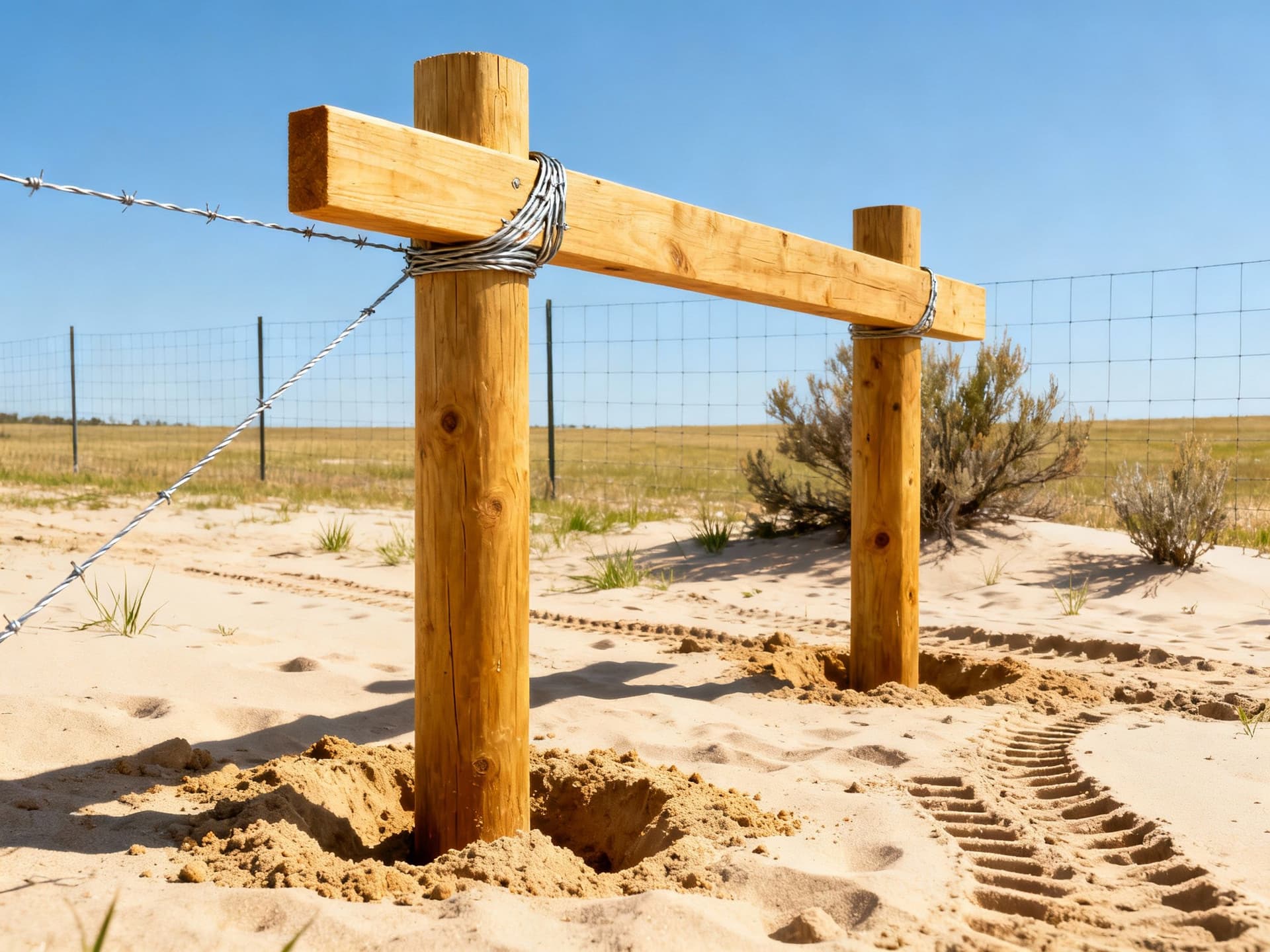
The sandy soil in coastal areas like Pensacola and Panama City requires specialized installation. We drive posts 30-42 inches deep to ensure they remain stable. Without this extra depth, posts can loosen and lean over time.
Furthermore, the salt air and high humidity demand Class 3 galvanized wire to prevent rust. This coating is three times thicker than standard wire, ensuring your fence withstands the corrosive coastal climate. Mesh fences also allow hurricane-force winds to pass through, preventing the catastrophic failure common with solid panel fences.
For South Alabama: Tackling Humidity and Feral Hogs
In South Alabama, humidity is a constant battle, but feral hogs are an even bigger threat. For properties near Mobile or Enterprise, we often recommend installing 34-inch high welded wire hog panels at the base of the fence line to prevent hogs from breaking through The Fence Man.
Alabama farmers also have a great cost-saving advantage. Thanks to Alabama Act 2024-169, many agricultural fencing materials are exempt from state sales tax, making it more affordable to build a durable, hog-resistant fence.
For South Georgia: Preventing Rot and Ensuring Longevity
The warm, humid climate in South Georgia communities like Valdosta and Thomasville accelerates wood rot. To combat this, always use professionally treated posts, such as those with a .60 CCA treatment, which are far more durable than the standard .40 CCA found at big-box stores. Properly setting posts in concrete can also help.
Regular vegetation management is also critical. Keeping grass and vines off your fence line allows air to circulate and surfaces to dry, preventing moisture from getting trapped and causing rot.
Calculating Total Cost and Securing Your Investment
The price on the tag of a fence roll is only one part of the total project cost. Labor, posts, gates, and site preparation all contribute to the final bill. Understanding these factors helps you create a realistic budget.
Beyond the Roll: Factoring in Posts, Labor, and Gates
Labor is one of the biggest costs in a fencing project, often accounting for 50-60% of the total price. This is where high-tensile fencing provides a major financial advantage. Because posts can be spaced up to 20 feet apart instead of the typical 8-10 feet, you save money on both materials and the labor needed to install them.
Finding Financial Support with NRCS EQIP Programs
Don't forget to look for financial assistance. The Natural Resources Conservation Service (NRCS) offers the Environmental Quality Incentives Program (EQIP), which provides cost-share assistance for farmers in Florida, Alabama, and Georgia NRCS Georgia. This program can help you fund a quality fence designed to support conservation goals, such as rotational grazing.
Frequently Asked Questions About Livestock Fence Rolls
What is the best type of livestock fence roll for cattle in the Florida Panhandle?
For cattle in the Florida Panhandle, we highly recommend a high-tensile fixed-knot livestock fence roll. Its exceptional strength contains large animals, while the mandatory Class 3 galvanization provides critical protection against rust from salt air and humidity.
How tall does a 4ft goat fence actually need to be to contain most breeds?
While a 4ft goat fence is a good starting point, some larger or more active breeds may require a 60-inch (5ft) fence. The key is to also have small 4"x4" mesh spacing to prevent them from climbing or getting their heads stuck.
What makes high-tensile fixed-knot fencing a better long-term investment?
High-tensile fixed-knot fencing lasts 2-3 times longer than standard wire, requires almost no maintenance, and its strength allows for wider post spacing, which reduces installation costs. This means you pay once for a fence that protects your livelihood for decades.
How can I get help paying for a new farm fence in South Alabama?
Farmers in South Alabama should contact their local NRCS office to apply for the EQIP cost-share program. You can also take advantage of the state sales tax exemption on agricultural fencing materials (Alabama Act 2024-169) to reduce project costs.
Is there a goat fencing for sale that also keeps out predators?
Yes. A woven wire fence with tight 4"x4" spacing is a good start for a goat fencing for sale that deters predators. For maximum protection, consider adding an offset electric wire near the top and bottom to create a powerful psychological deterrent for coyotes and other threats.
Choose a Fence That Works as Hard as You Do
Choosing the right livestock fence roll comes down to balancing your animal's containment needs, your region's unique climate, and your long-term budget. While it can be tempting to save money upfront, investing in higher-quality materials like high-tensile fixed-knot wire and professional installation always pays off. A well-built fence provides peace of mind, protects your valuable animals, and saves you money on repairs and replacements for years to come.
To get a durable, ranch-tough fence built right the first time, contact Bomann Fencing for a free, no-obligation estimate on your Florida Panhandle, South Alabama, or South Georgia property today.
Share this article
Related Posts
Need Help?
Get expert fencing advice and free quotes. Our team is ready to help with your project.
Available Mon-Fri, 8am-6pm EST
Related Posts
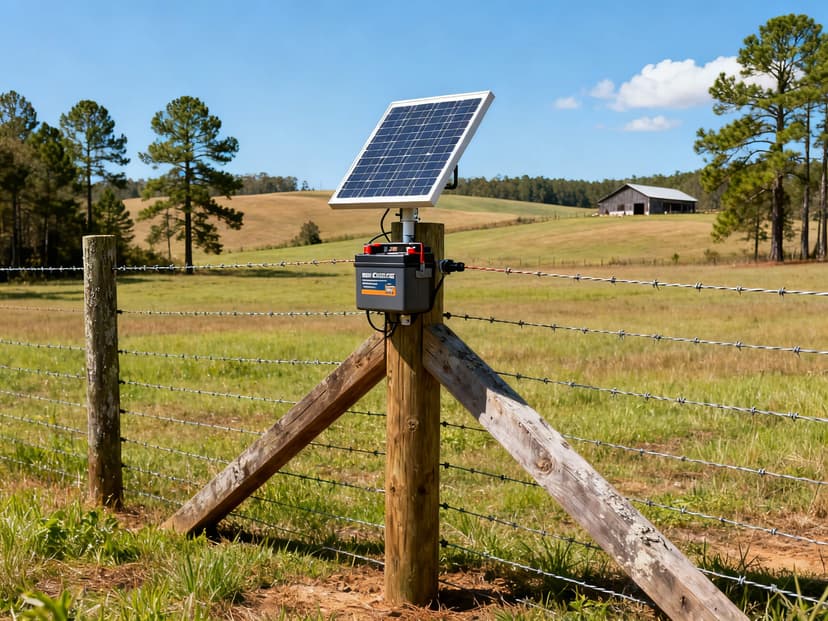
Solar Electric Fence Energizer: Cost vs. Long-Term Value
The Financial Breakdown: Upfront Investment vs. Lifetime Value Choosing the right energizer starts with understanding th...

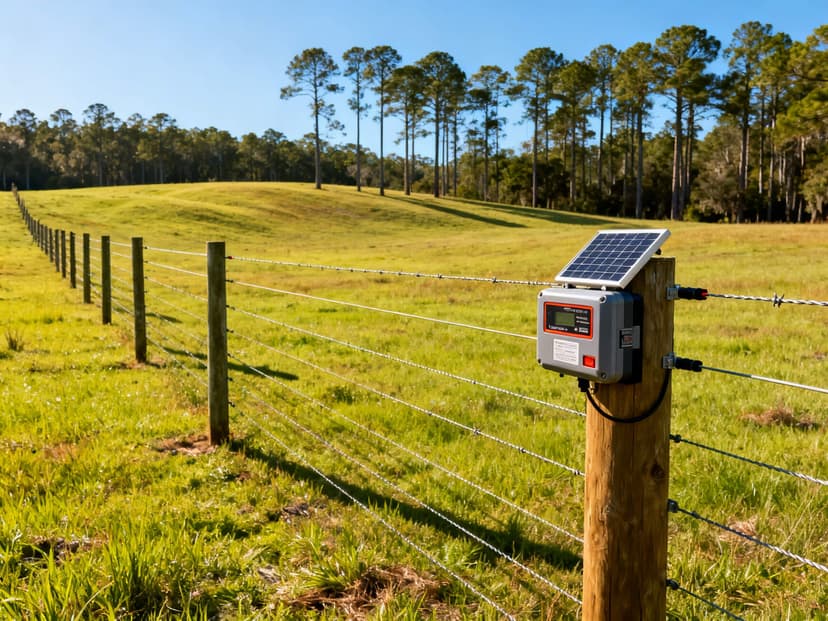
How to Choose the Best Electric Fence Charger for Cattle
Matching Energizer Power to Your Cattle & Fence Your electric fence is a psychological barrier, not a physical one. To b...
Wood Farm Fence: Pine vs. Cedar for Your Southeast Farm
The Main Contenders: A Look at Two Popular Fencing Woods When you're building a fence to protect your livestock and defi...
Farm Driveway Gate: A Guide to Planning & Automation
Key Planning Decisions for Your Farm Entrance Gates Manually opening and closing a heavy farm gate wastes valuable time ...
Custom Farm Gates: A Farmer’s Design & Planning Guide
A Farmer’s Guide to Designing and Planning Custom Farm Gates Choosing the right custom farm gate is a major decision for...