Electric Fence Voltage for Cattle: A Farmer's Guide

Voltage vs. Joules: Getting the Power Right for Your Livestock
When you're protecting your livelihood, getting your electric fence right is non-negotiable. The two most important terms you'll hear are voltage and joules. Understanding the difference is the first step toward building a fence that your animals will respect.
Think of it like a water hose. Voltage is the water pressure—it's what pushes the electricity down the wire. Joules are the volume of water—it's the amount of energy or "punch" delivered in each pulse. You need both to be effective.
What is the Minimum Electric Fence Voltage for Cattle?
For most cattle, a minimum of 2,000 to 3,000 volts on your fence line is needed to get their attention. However, the ideal electric fence voltage for cattle is between 4,000 and 5,000 volts. This higher voltage creates a strong psychological barrier that keeps your herd safely contained.
Breeds with thicker hides, longer hair, or a more stubborn temperament might require a charge on the higher end of that scale. The goal isn't to harm the animal, but to deliver a short, sharp shock that they remember and respect.
How Many Joules Do I Need for Cattle?
Joules measure the energy in each pulse, which determines the intensity of the shock. The right amount of electric fence joules for cattle depends on your fence length, the amount of vegetation touching the wire (the "weed load"), and the type of animal you're containing.
As a general rule, you should plan for one joule of output for every mile of fence. For cattle, a charger with a minimum of 2-3 joules is a good starting point for smaller pastures, while larger multi-mile systems may need energizers with 6, 12, or even more joules to overcome resistance and weed load.
Choosing the Right Electric Fence Charger for Your Herd
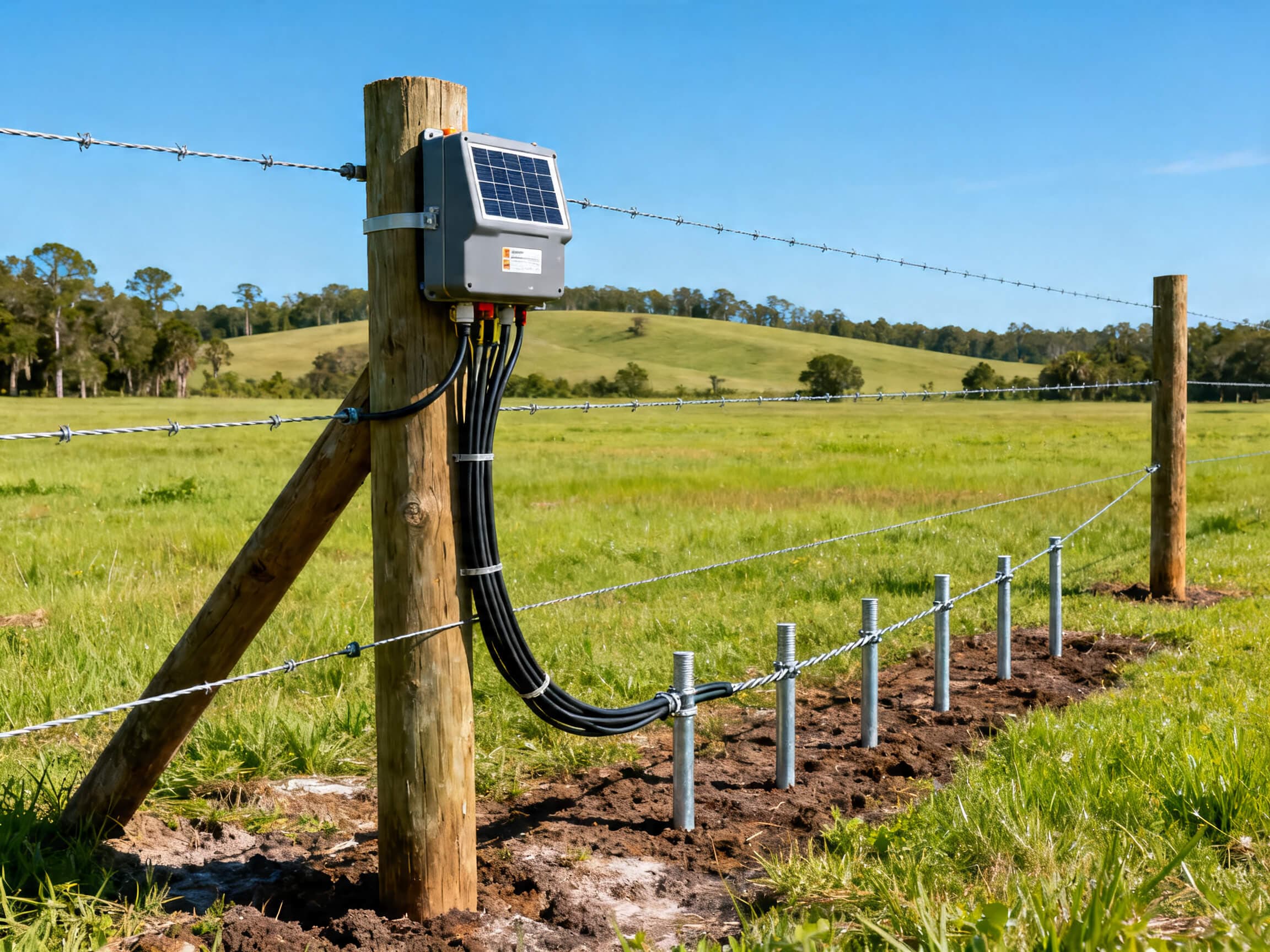
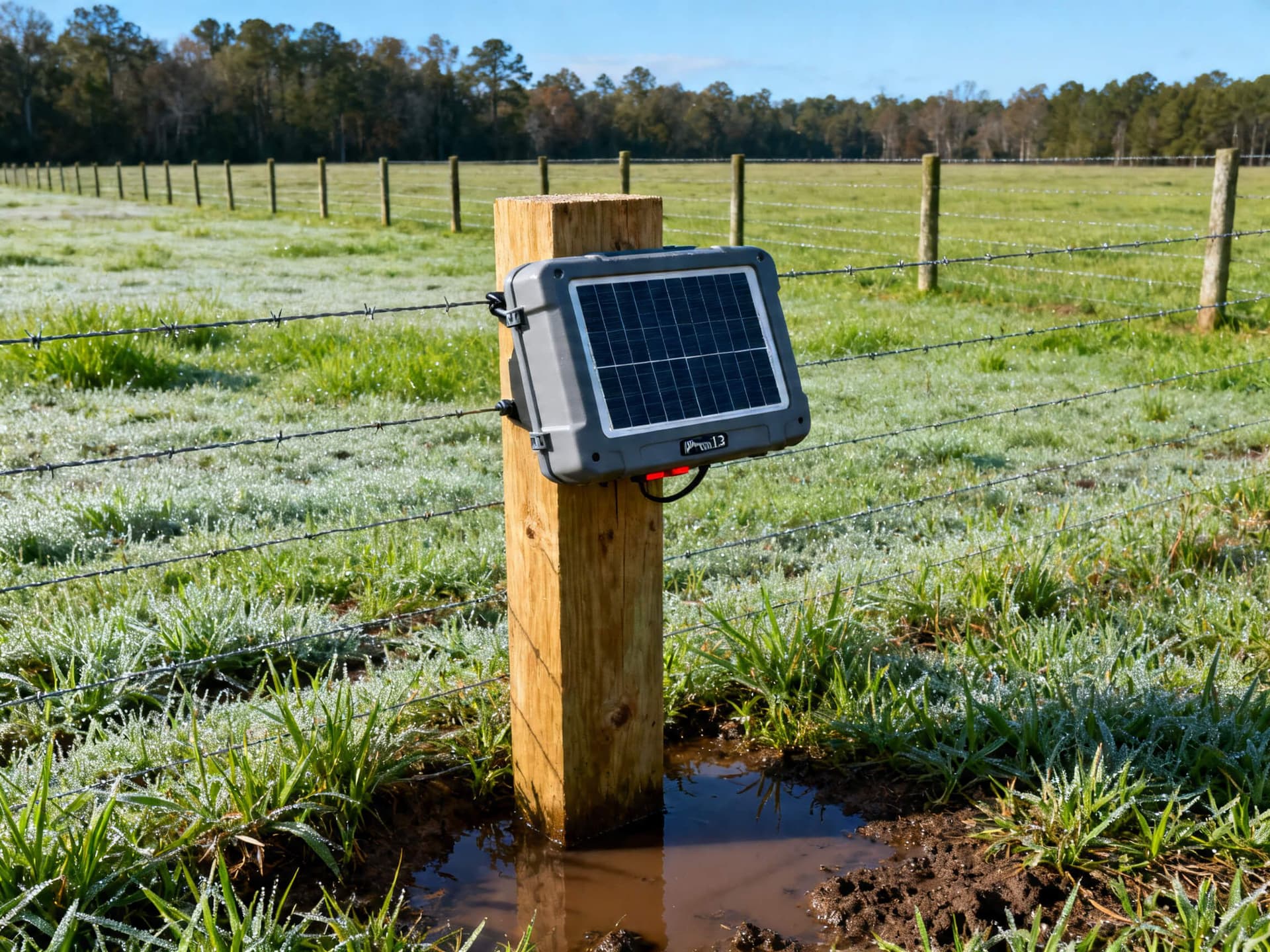
The "fence box" or charger is the heart of your system. Your main choices are AC-powered (plugs into a standard outlet), DC-powered (runs off a 12-volt battery), or solar-powered systems. The best electric fence for cattle often uses a powerful AC charger for boundary fences and a solar or battery-powered unit for remote pastures.
When selecting from the many electric fence chargers for cattle, always choose one rated for a longer fence than you plan to build. This gives you extra power to burn through weeds and ensures a consistent charge along the entire line.
Adapting Your Electric Fence for Horses and Goats
While the principles are the same, horses and goats have unique needs that require some adjustments to your fence design and power level.
Fencing Requirements for Horses
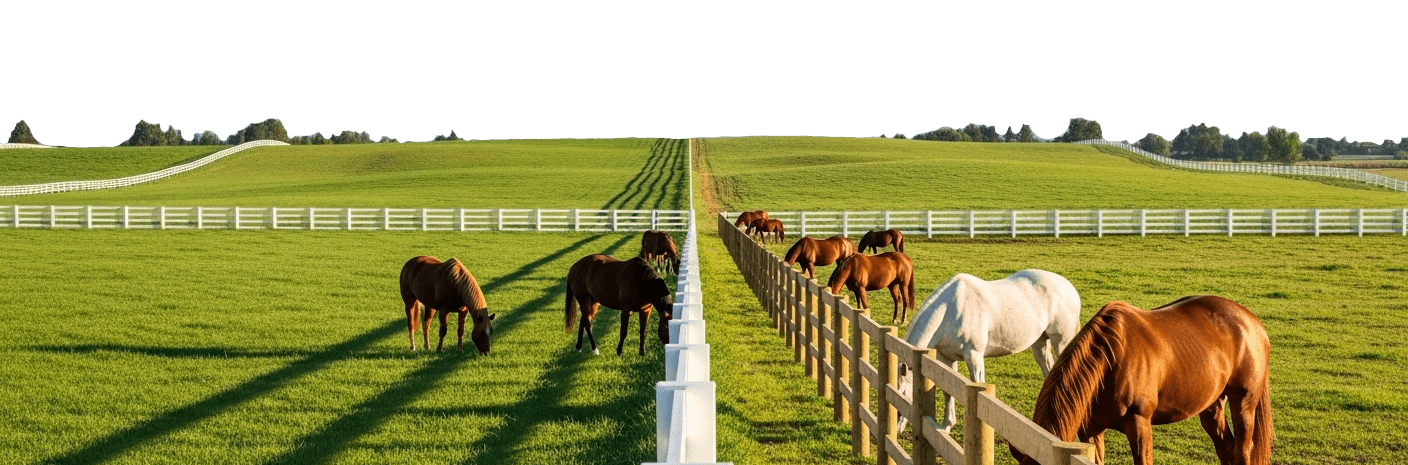
Horses are more sensitive to electricity than cattle and have a strong flight response. The most important factor for a horse fence is visibility. They need to see the fence clearly to avoid running into it. That's why poly-tape or high-visibility coated wire is often used. A voltage of 2,000 to 3,000 volts is typically sufficient to keep them contained.
Why Goats Require a Stronger Fence
Goats are notoriously difficult to contain. Their thick hair or wool acts as an excellent insulator, meaning the shock has a harder time making contact. Furthermore, they are intelligent and will relentlessly test a fence for weaknesses. For goats, you'll need a higher joule output to push the shock through their coat and multiple strands of wire spaced closely together.
Building and Maintaining the Best Electric Fence System
Need Help?
Get expert fencing advice and free quotes. Our team is ready to help with your project.
Available Mon-Fri, 8am-6pm EST
A powerful charger is useless without a well-built and maintained fence. The charger, wire, insulators, and grounding system all work together to protect your livestock and property.
Why a Good Grounding System is Non-Negotiable
Your grounding system is arguably the most critical and overlooked part of your electric fence. It's what allows the electricity to complete its circuit when an animal touches the wire. Without a proper ground, your fence will have little to no shocking power, no matter how strong your charger is.
In the sometimes dry, sandy soils found across the Florida Panhandle, a robust grounding system is essential University of Florida IFAS, 2025. We recommend a minimum of three 6-foot galvanized ground rods spaced 10 feet apart for every farm fence energizer.
Troubleshooting Common Voltage Drops
If your fence tester shows low voltage, the problem is rarely the charger itself. Common culprits include heavy vegetation touching the wire, which is a constant battle in our humid South Georgia climate University of Georgia Extension, 2025. Other issues are poor wire splices, cracked or broken insulators, and an inadequate grounding system.
Selecting the Right Kit: Permanent vs. Portable Fencing
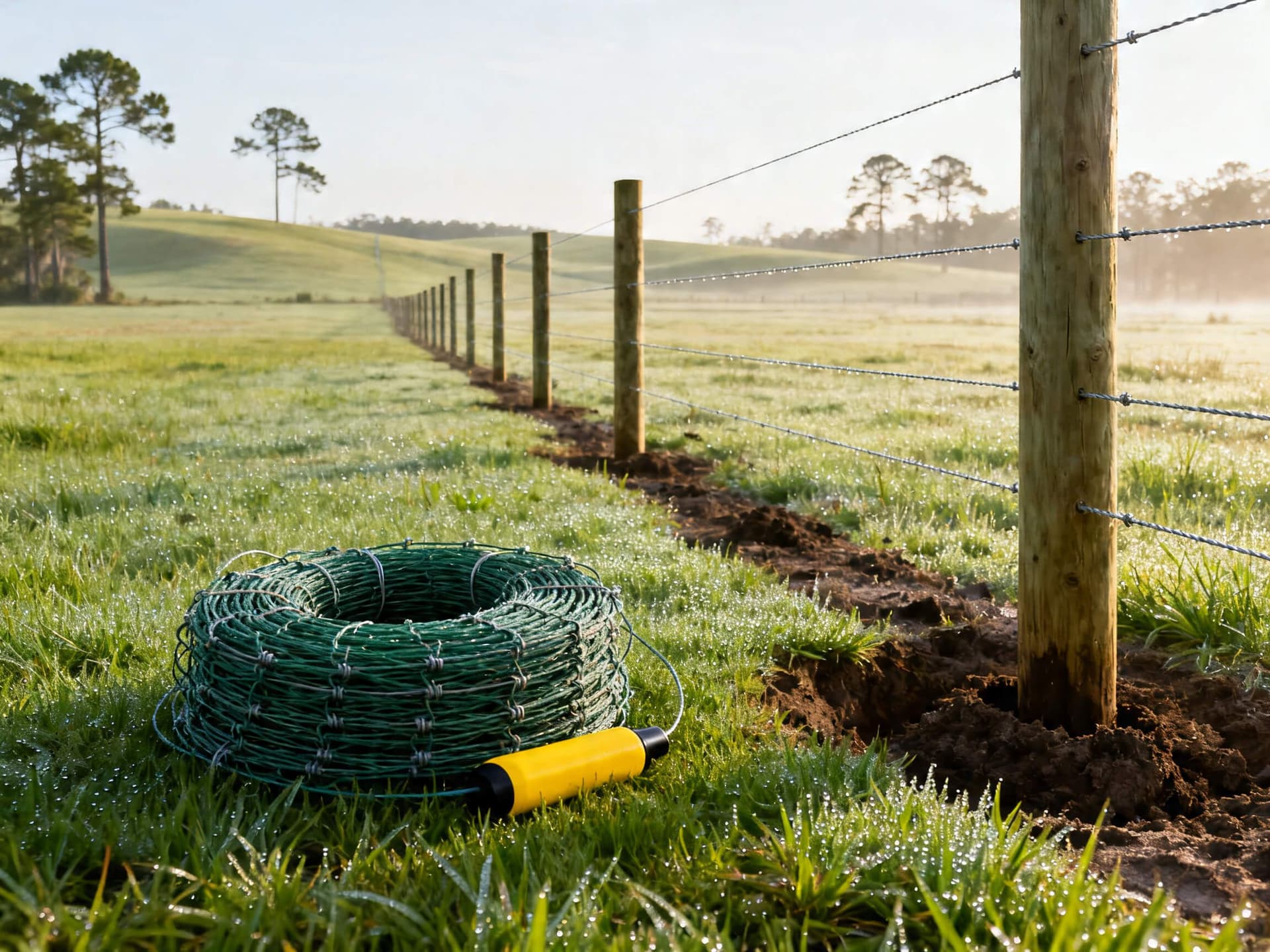
For perimeter fences, permanent high-tensile systems provide decades of reliable service. For rotational grazing and managing pastures, a portable electric fence for cattle offers incredible flexibility. You can find many electric fence kits for cattle that include step-in posts, poly-wire, and a reel, making daily moves simple.
The right `electric fence box for cattle` combined with quality components will give you a system you can count on, season after season. Whether it's a permanent boundary or a temporary cross-fence, quality matters.
Frequently Asked Questions About Electric Fencing
What is the ideal electric fence voltage for cattle?
The ideal electric fence voltage for cattle is between 4,000 and 5,000 volts. This provides a sufficient psychological deterrent to keep them from challenging the fence line, while a minimum of 2,000 volts is required to be effective.
How many joules are needed to contain bulls?
For containing bulls or more aggressive livestock, a higher-powered charger is recommended. Look for an energizer with at least 5-8 joules of output, and potentially more for very long fences or areas with significant weed growth, to ensure a powerful and respected shock.
Can an electric fence have too much voltage for cattle?
While high voltage is necessary, it's the combination of high amperage and long pulse duration that can be dangerous. Modern, low-impedance fence chargers are designed to be safe for livestock by delivering a very short, high-voltage pulse. Always use a charger from a reputable brand Gallagher, 2025 that is UL-listed for safety.
How do I test my electric fence to ensure it's working?
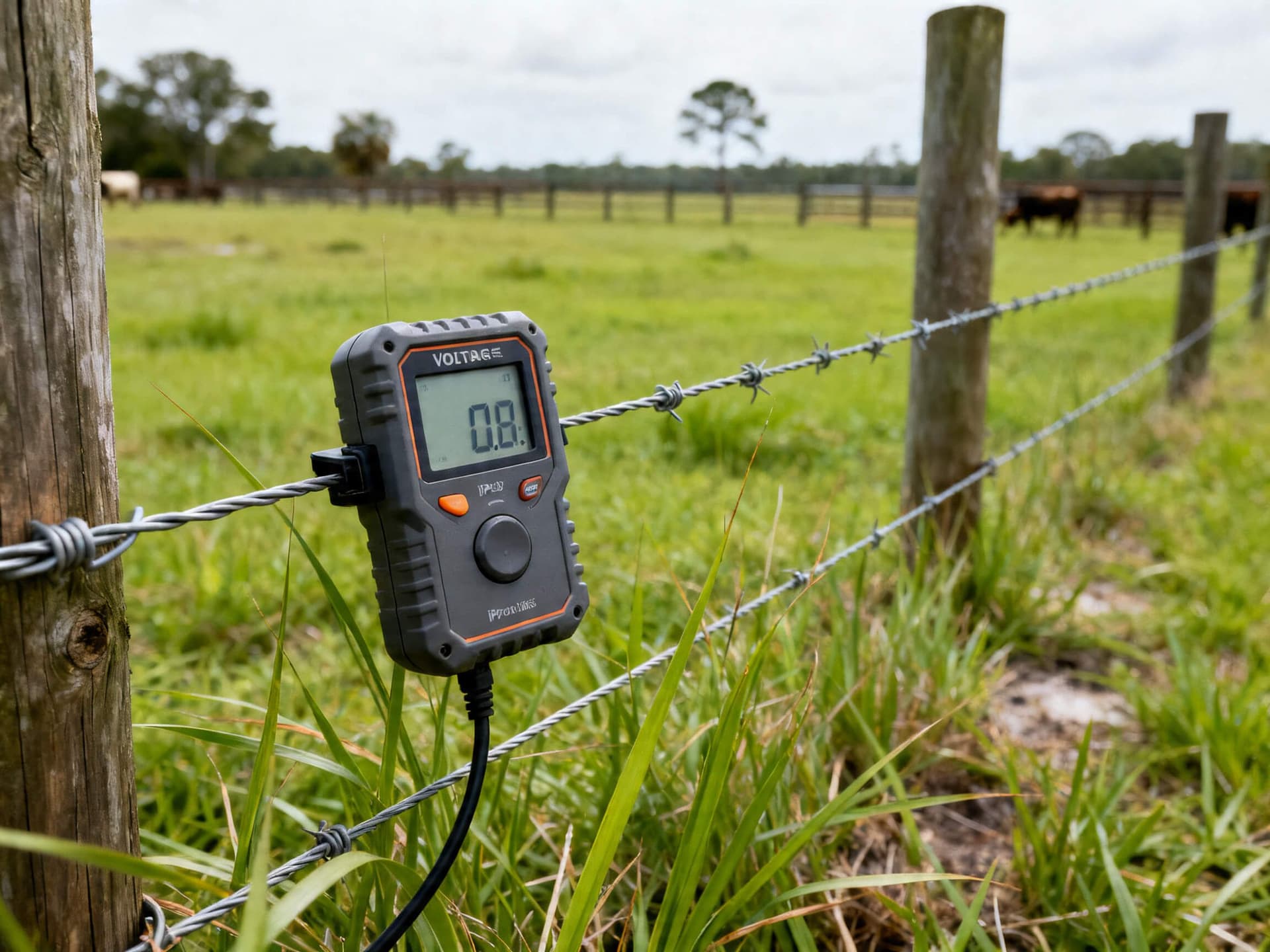
The best way to test your fence is with a digital electric fence voltmeter or fault finder. These tools give you a precise voltage reading. Simply touch the metal probe to the fence wire and insert the grounding probe into the soil to check the exact voltage on your line.
Who installs agricultural electric fences in Dothan, AL and the surrounding area?
Bomann Fencing specializes in professional agricultural electric fence installation for farmers and ranchers. We provide expert service throughout the tri-state region, including Dothan, AL, the Florida Panhandle, and South Georgia.
A reliable electric fence is more than just a wire and a charger; it's a complete system that requires the right components and expert installation. A fence with the correct voltage, sufficient joules, and a solid grounding system gives you peace of mind and keeps your animals safe.
For an expert assessment of your property and a professional installation of ranch-tough fencing designed to last, contact the experienced team at Bomann Fencing. We proudly serve farmers and ranchers across the Florida Panhandle, South Alabama, and South Georgia with honesty and quality workmanship.
Share this article
Related Posts

Need Help?
Get expert fencing advice and free quotes. Our team is ready to help with your project.
Available Mon-Fri, 8am-6pm EST
Related Posts
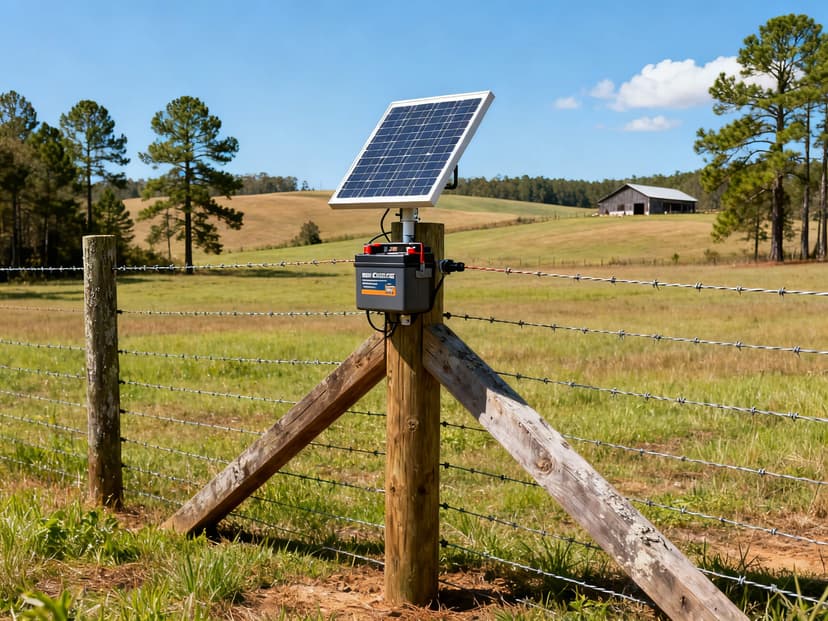
Solar Electric Fence Energizer: Cost vs. Long-Term Value
The Financial Breakdown: Upfront Investment vs. Lifetime Value Choosing the right energizer starts with understanding th...


How to Install Electric Fence for Cattle: A DIY Guide
Planning Your Fence & Choosing the Right Materials A reliable electric fence begins with a solid plan. Before you buy an...
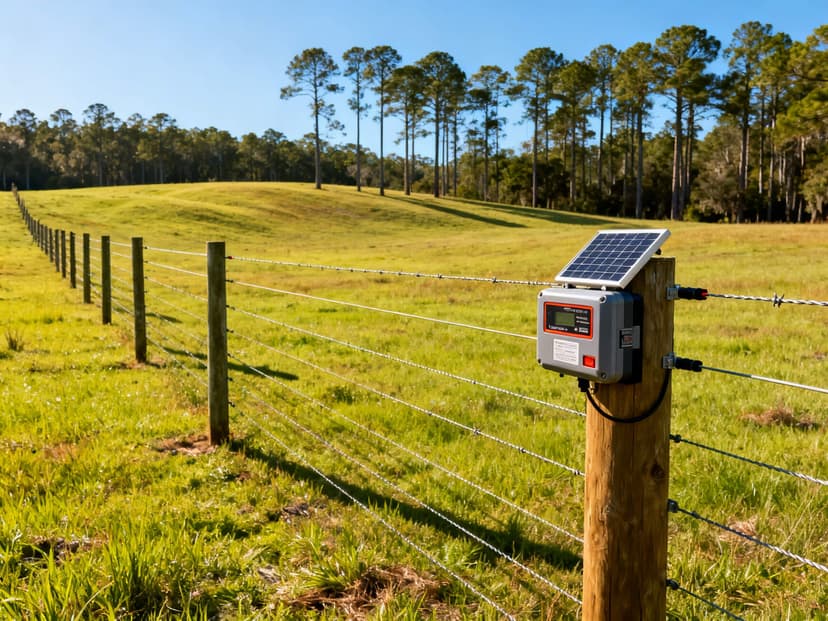
How to Choose the Best Electric Fence Charger for Cattle
Matching Energizer Power to Your Cattle & Fence Your electric fence is a psychological barrier, not a physical one. To b...
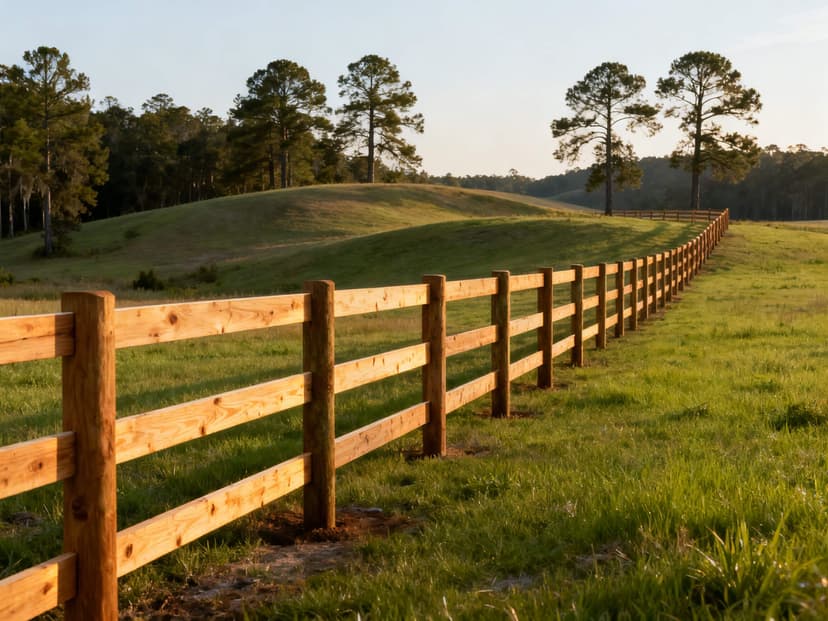
Wood Farm Fence: Pine vs. Cedar for Your Southeast Farm
The Main Contenders: A Look at Two Popular Fencing Woods When you're building a fence to protect your livestock and defi...
Farm Driveway Gate: A Guide to Planning & Automation
Key Planning Decisions for Your Farm Entrance Gates Manually opening and closing a heavy farm gate wastes valuable time ...