6 Proven Applications for a 6 Foot Field Fence

6 Proven Applications for a 6 Foot Field Fence
As a farmer or rancher in the Southeast, you need a fencing solution 4 ft field fence guide that does more than just mark a line. It has to handle diverse livestock, withstand our humid climate, and deter aggressive local predators like coyotes and feral hogs. Choosing wrong means facing escaped animals, potential livestock losses, and the constant headache of repairing fences that sag and rust in the Florida, Georgia, and Alabama weather.
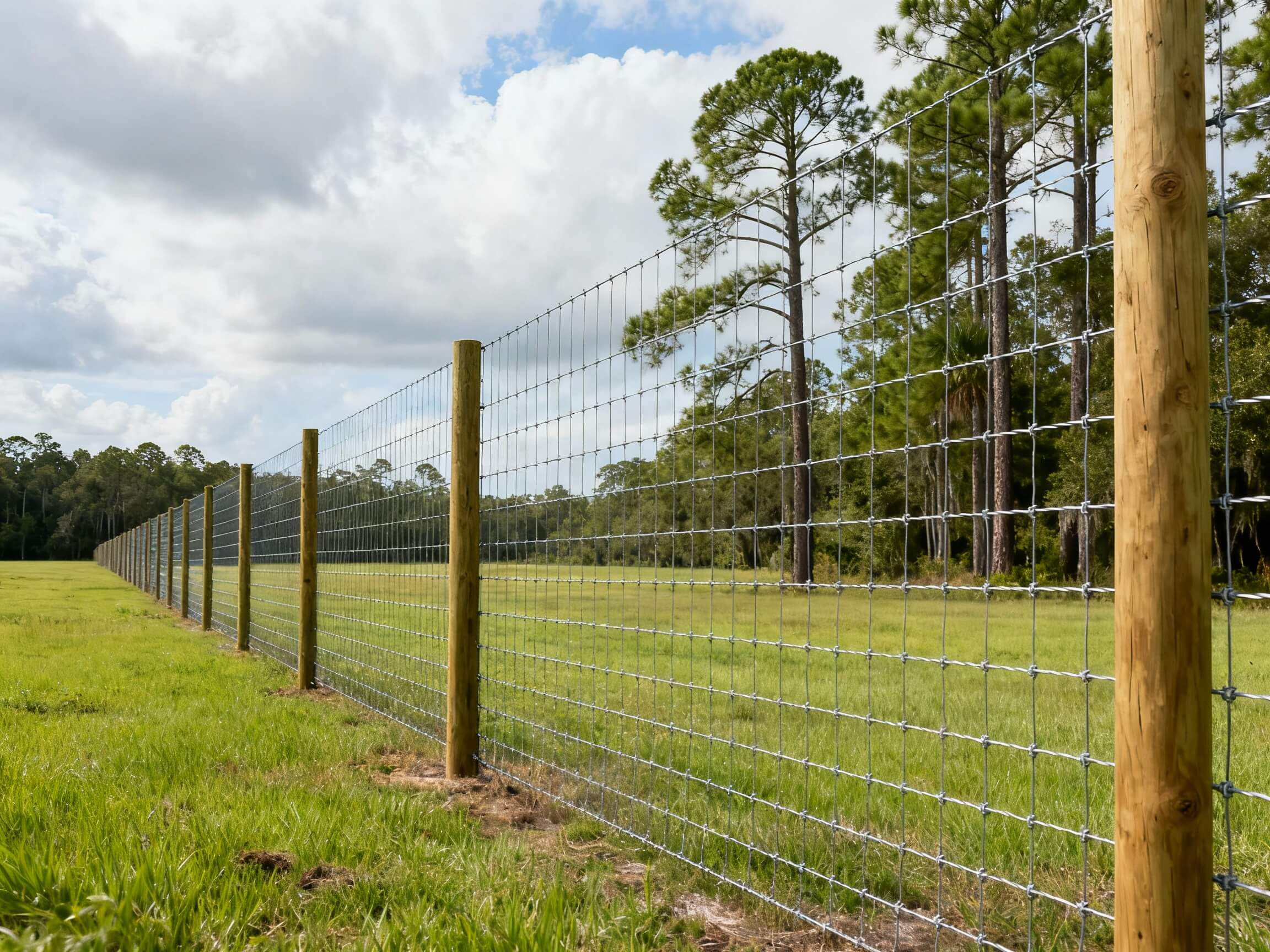
The good news is there's a proven solution that works for our region. By investing in a professionally installed, 6-foot woven wire field fence, you get a durable, long-term asset that solves containment, exclusion, and boundary needs all at once.
Why a 6-Foot Height is the Smart Choice for the Southeast
Opting for a taller fence is a strategic decision that pays off in security and peace of mind. The extra height provides critical advantages that shorter fences simply can't match, especially in our unique agricultural environment.
Gaining Superior Predator Defense
In areas like the Florida Panhandle and South Georgia, pressure from coyotes and feral hogs is a serious threat to calves, goats, and sheep. Research shows that fences reaching heights of 54 to 72 inches (or 6 feet) are significantly more effective at deterring these predators Zareba Systems. A tall, sturdy 6 field fence acts as a powerful physical and psychological barrier that protects your most valuable assets.
A Strategic Upgrade from a 4 ft field fence
While a 4 ft field fence is adequate for some smaller livestock in low-pressure areas, it has limitations. Larger, more athletic animals like horses, deer, and even some breeds of cattle can challenge or clear a four-foot barrier. The extra two feet on a 6-foot fence is a critical investment in security, preventing costly escapes and ensuring your animals stay where they belong.
Navigating Fencing Regulations in Florida and Georgia
It's a common misconception that all fences are limited to a certain height. While many residential areas in Florida have a six-foot height limit for privacy fences, agricultural properties often operate under different rules Masters Quality Fence. A 6 field fence is typically acceptable for livestock containment. However, it’s always wise to check local ordinances in your specific county, whether you're in Marianna, FL, or Thomasville, GA, to ensure full compliance before starting a project.
Top Applications for Livestock Containment
Need Help?
Get expert fencing advice and free quotes. Our team is ready to help with your project.
Available Mon-Fri, 8am-6pm EST
A 6-foot field fence is one of the most versatile tools for managing a variety of livestock. Its height and strength make it the ideal choice for several common applications on Southeastern farms and ranches.
Securing Horses and Exotic Game
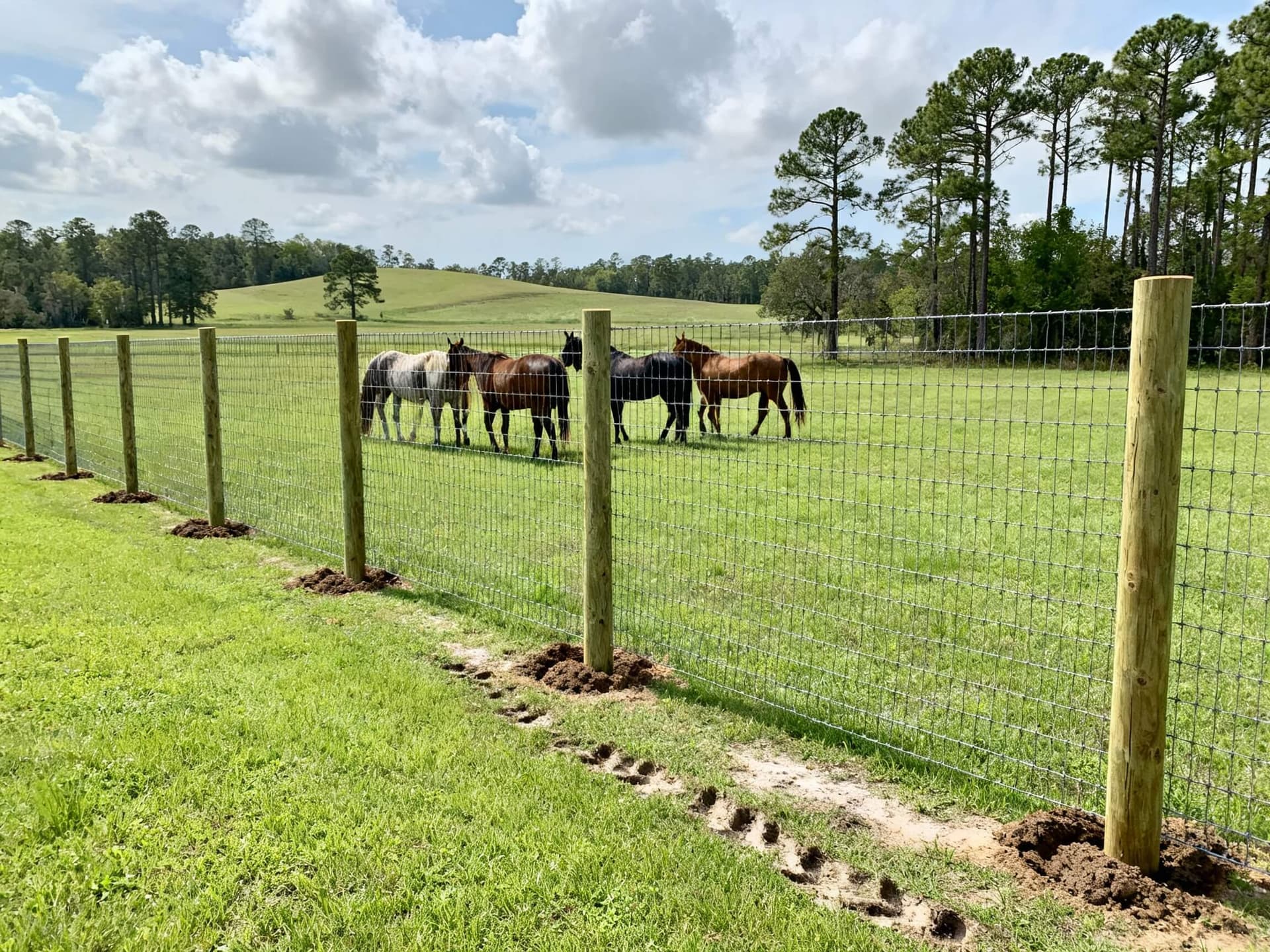
For valuable animals known for their jumping ability, a six-foot fence is non-negotiable. It provides a strong visual barrier that discourages horses and exotic game from attempting to jump. The height, combined with the strength of woven wire, ensures these animals remain safely contained within their pastures.
Confining Cattle in High-Pressure Environments
Woven wire is a safer and more durable alternative to barbed wire for containing cattle. A 6 field fence is especially useful in high-pressure situations, such as along busy roads or shared property lines. It provides a robust boundary that can withstand the weight of a herd, reducing the risk of injury and escape.
Containing Goats and Sheep with Specialized sheep wire
Goats and sheep are notoriously difficult to contain. A 6-foot frame is the perfect foundation for specialized sheep wire, which features a tight, no-climb mesh design. This prevents these agile animals from squeezing through openings or climbing over the top, providing secure containment for your herd in places like Andalusia, AL and beyond.
Key Uses for Property and Asset Protection
Beyond livestock, a taller fence plays a crucial role in securing your entire property, from marking boundaries to protecting valuable crops from wildlife.
Establishing Clear, Defensible Property Boundaries
For large properties in rural Florida, Alabama, or Georgia, a tall fence creates an unambiguous and defensible boundary line. Using heavy-gauge livestock fence rolls to construct a 6-foot perimeter ensures a permanent, high-visibility solution that prevents disputes and enhances security for your entire homestead.
Creating Effective Wildlife Exclusion Zones
Protecting high-value crops, hay fields, or produce gardens from wildlife is essential. A 6-foot-tall fence is a highly effective deterrent against deer, which can devastate a harvest overnight. This height is tall enough to prevent most deer from jumping, safeguarding your investment and hard work.
Fortifying Your Fence with a high wire fence System
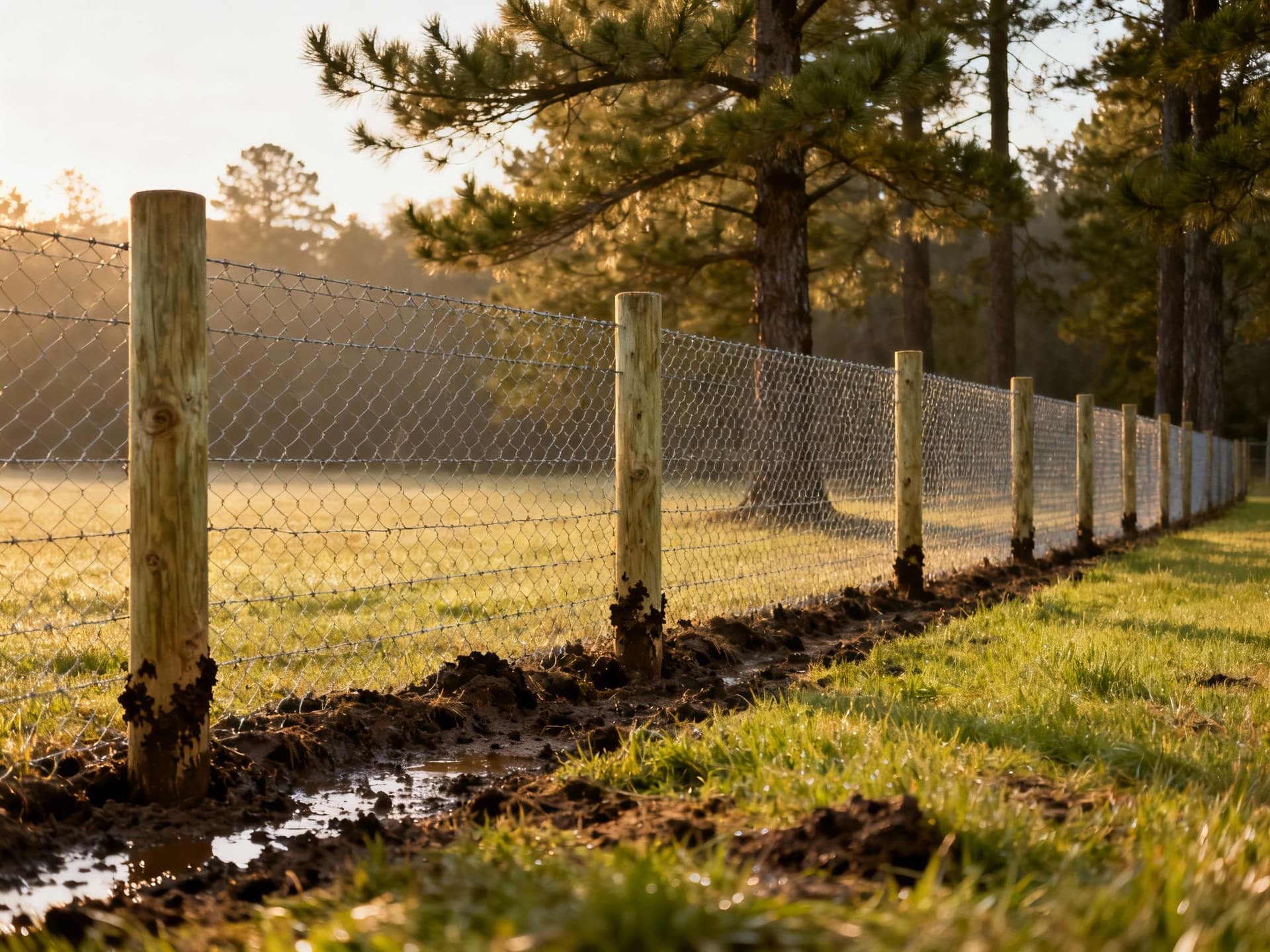
For the ultimate level of security, a 6-foot woven wire fence can be combined with electrified strands. Adding one or more "hot" wires along the top or on outriggers creates a formidable high wire fence system. This hybrid approach offers maximum deterrence against both stubborn livestock and determined predators, giving you complete control over your boundaries.
Frequently Asked Questions About 6-Foot Fencing
What is the best 6-foot field fence for goats and sheep in Florida?
The best fence for goats and sheep is a 6 field fence made from woven wire with 4-inch by 4-inch square openings. This "no-climb" design prevents them from pushing their heads through or climbing. In Florida's sandy soil, it's also critical that the posts are set correctly and deeply to maintain tension and prevent gaps from forming at the bottom.
Is a 6-foot field fence tall enough to reliably keep out deer?
For most agricultural applications, a 6-foot fence provides excellent deterrence against deer. While a determined deer might clear it, the height is generally sufficient to make them seek easier foraging grounds. For 100% exclusion, an 8-foot fence is the standard, but a 6-foot fence offers a great balance of effectiveness and cost.
How does the cost of a 6-foot field fence compare to a 4-foot fence?
A 6-foot fence naturally has higher material costs than a 4 ft field fence due to the extra wire and taller posts required. However, the labor for installation does not increase proportionally. The added investment provides a significant boost in security and versatility, making it a highly cost-effective upgrade for protecting valuable livestock and property.
What's the advantage of using Class 3 galvanized 6-foot field fence in South Alabama's climate?
The humid climate in South Alabama accelerates rust and corrosion. A Class 3 galvanized 6 field fence has a much thicker zinc coating than standard Class 1 wire. This superior protection dramatically extends the life of your fence UGA CAES Field Report, preventing premature failure and saving you money on repairs and replacement for decades to come.
Protect Your Livelihood with the Right Fence
A 6-foot field fence is more than just a taller barrier; it's a versatile, long-term investment in your farm's security. It provides robust containment for a wide range of livestock, superior protection from regional threats, and a clear, strong boundary for your property.
To ensure your fence is built to handle our unique Southeastern conditions, trust the agricultural experts who understand the land. Call Bomann Fencing today for a free, no-obligation estimate for your property in the Dothan, Alabama region, and check out our Complete 4 ft fence guide.
Share this article
Related Posts
Need Help?
Get expert fencing advice and free quotes. Our team is ready to help with your project.
Available Mon-Fri, 8am-6pm EST
Related Posts
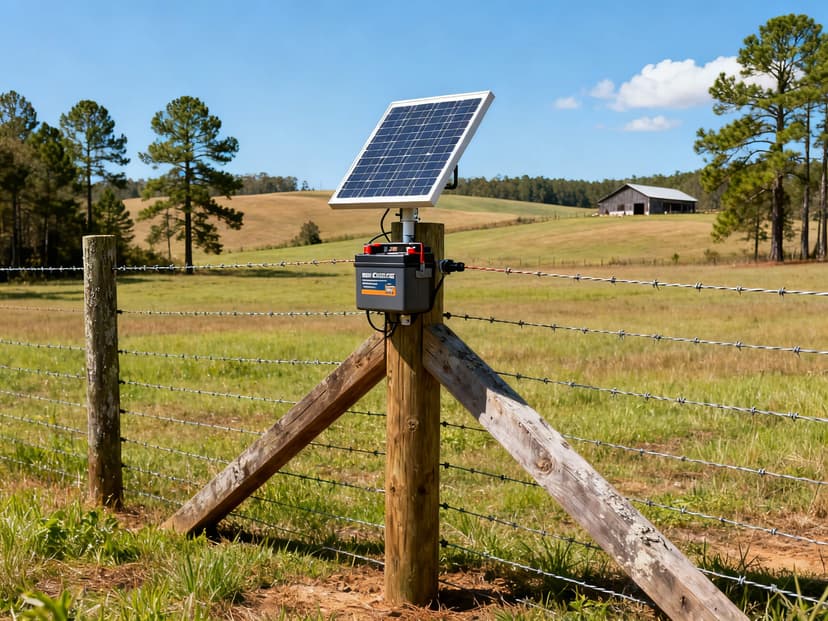
Solar Electric Fence Energizer: Cost vs. Long-Term Value
The Financial Breakdown: Upfront Investment vs. Lifetime Value Choosing the right energizer starts with understanding th...

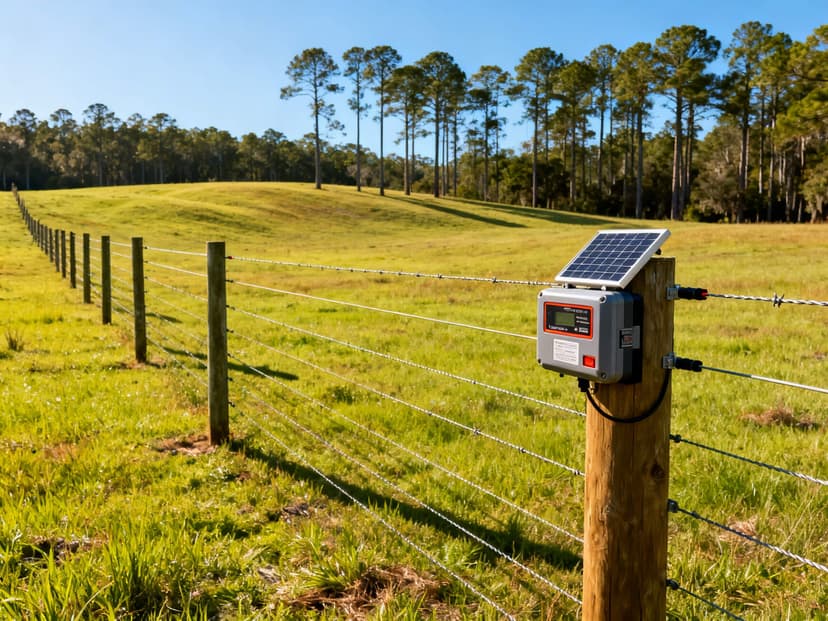
How to Choose the Best Electric Fence Charger for Cattle
Matching Energizer Power to Your Cattle & Fence Your electric fence is a psychological barrier, not a physical one. To b...
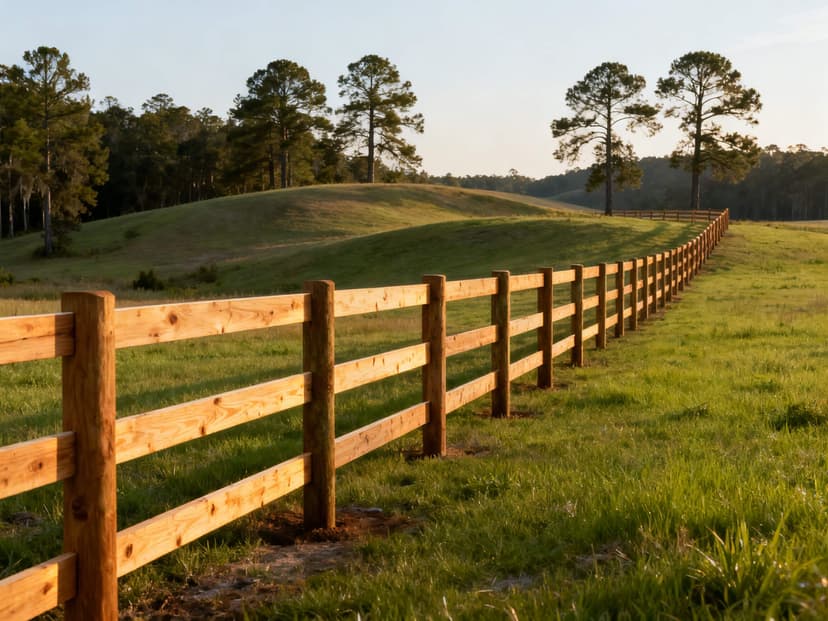
Wood Farm Fence: Pine vs. Cedar for Your Southeast Farm
The Main Contenders: A Look at Two Popular Fencing Woods When you're building a fence to protect your livestock and defi...
Farm Driveway Gate: A Guide to Planning & Automation
Key Planning Decisions for Your Farm Entrance Gates Manually opening and closing a heavy farm gate wastes valuable time ...
Custom Farm Gates: A Farmer’s Design & Planning Guide
A Farmer’s Guide to Designing and Planning Custom Farm Gates Choosing the right custom farm gate is a major decision for...