Cable Fence for Cattle: The SE Rancher's Durable Choice

Why Choose a Cable Fence System for Your SE Ranch?
You need a strong, reliable fence to contain your cattle across large pastures. But traditional options are either too expensive or don't last in the humid Southeastern climate. A weak fence can lead to escaped livestock, potential liability, and constant repairs that drain your time and budget. A properly installed cable fence for cattle solves this problem, providing a long-lasting, highly visible barrier that protects your investment for decades.
The Smart Balance of Cost-Effectiveness and Durability
For ranchers managing large properties, budget is always a factor. Cable fencing offers an excellent balance of strength and affordability. Professional installation typically costs between $1.60 and $4.50 per linear foot Bomann Fencing, 2025. This makes it a more cost-effective upfront investment compared to many pipe or high-grade woven wire systems, allowing you to secure more acreage for your dollar.
Key Benefits: High Visibility, Flexibility, and Animal Safety
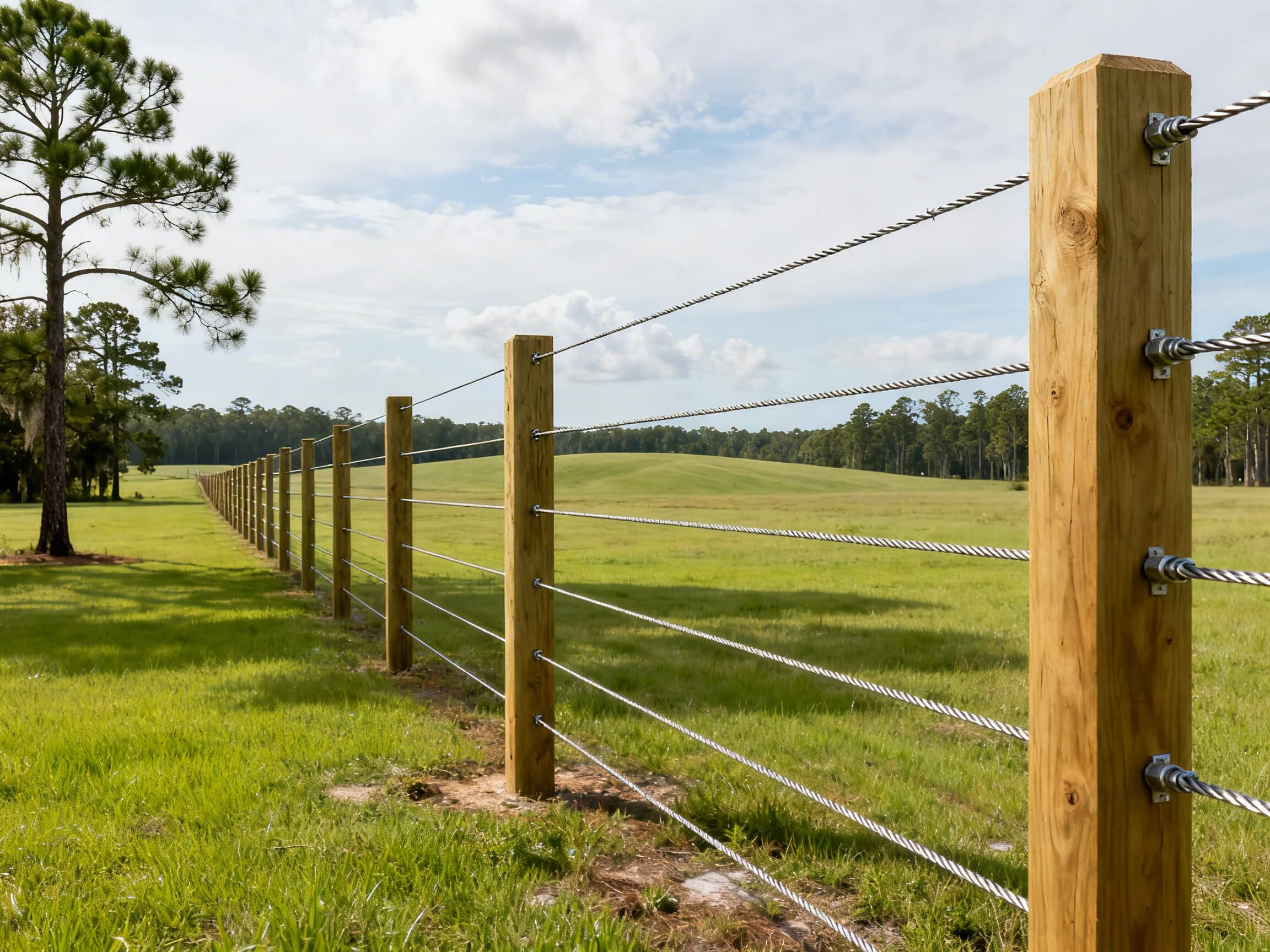
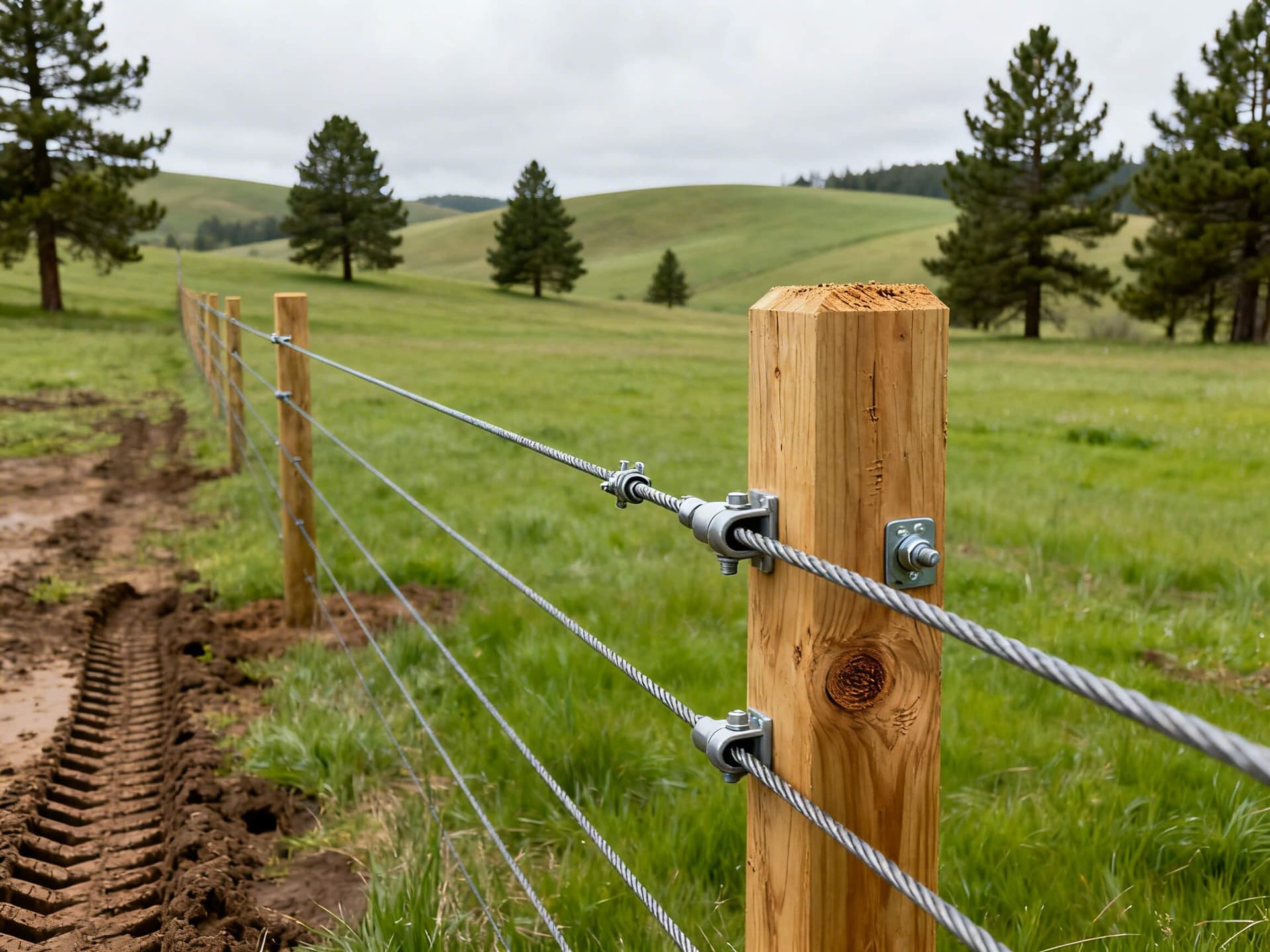
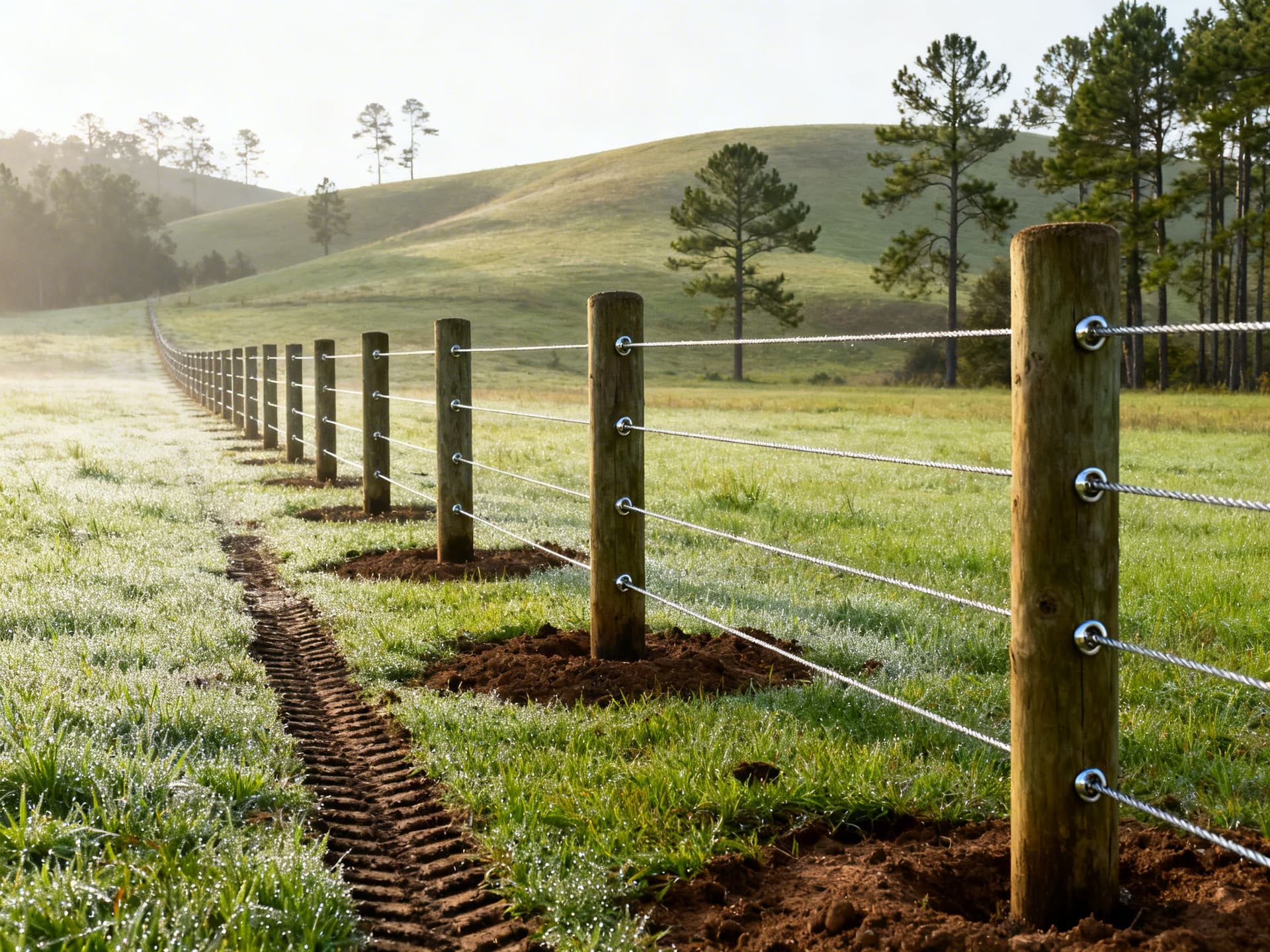
Unlike single strands of barbed wire, the multiple strands of a cattle cable fence are highly visible. This visibility helps reduce the chance of animals testing or running into the fence, minimizing both injuries and fence damage. Cable systems are also incredibly flexible, easily following the rolling hills and uneven ground common in areas from the Florida Panhandle to the pastures around Auburn, Alabama.
How It Compares to Alternatives like Woven and Barbed Wire
Each fencing type has its place. While barbed wire is a traditional choice, it carries a higher risk of injury to livestock. High-tensile woven wire is extremely secure but often comes with a higher price tag. A cable fence provides a durable middle ground; it's safer than barbed wire and often more affordable than woven wire, making it a popular choice for large boundary lines and cross-fencing projects across South Georgia.
Selecting the Right Materials for the Tri-State Climate
In the Southeast, a fence is only as good as the materials it's made from. The relentless humidity, intense sun, and salty air in coastal regions demand careful selection. Choosing the right components is the first step to building a fence that lasts for decades, not just a few seasons.
Cable & Hardware: Galvanized vs. Stainless Steel for Coastal and Inland Ranches
For properties near the coast, like those in Mobile, Alabama, or near Panama City, Florida, salt air is a major concern. It can corrode standard materials in just a few years. For these areas, investing in stainless steel cable and hardware is essential for long-term durability. For inland farms in places like Dothan, AL, or Thomasville, GA, a high-quality Class 3 galvanized wire provides excellent rust resistance and a long service life.
Post Selection: Treated Wood vs. Steel Pipe for Longevity
The posts are the backbone of your fence. We use high-grade .60 CCA pressure-treated wood posts, which offer superior protection against rot and insects compared to the standard .40 treatment. For maximum longevity, especially in the wet soils found throughout our region, steel pipe posts are an excellent choice. They provide unmatched strength and can last for over 30 years, making them a smart long-term investment for any ranch from Ocala to Montgomery.
Understanding Local Fencing Laws in Florida, Alabama, and Georgia
Before you build, it's wise to know the local rules.
- In Florida, while the minimum fence height is lower, best practice for containing cattle is 48 to 52 inches.
- Alabama law holds owners liable for damages from escaped livestock National Agricultural Law Center, 2025, and a new act provides a valuable sales tax exemption on agricultural fencing materials.
- Georgia enforces impoundment rules for animals at large, creating a strong incentive for secure containment.
We always recommend checking with your local county office, whether you're in Andalusia, AL, or Valdosta, GA, to ensure full compliance.
Installation Best Practices for a Ranch-Tough Fence
Need Help?
Get expert fencing advice and free quotes. Our team is ready to help with your project.
Available Mon-Fri, 8am-6pm EST
The difference between a fence that lasts five years and one that lasts thirty is all in the installation. As lifelong ranchers, we know that cutting corners is the most expensive mistake you can make. That’s why we build every fence as if it were on our own farm in Bonifay, FL.
Proper Post Spacing and Depth for Southeastern Soils
The right post depth is critical for a stable ranch cable fencing system. In the sandy soils of the Florida coastal plain, posts must be set deeper to get a firm hold. For most flat pastures, we space line posts 16 to 20 feet apart. This provides robust support without unnecessary material costs, a method proven on ranches from Pensacola to Tifton.
The Secret to Longevity: Correct Wire Tension and H-Brace Construction
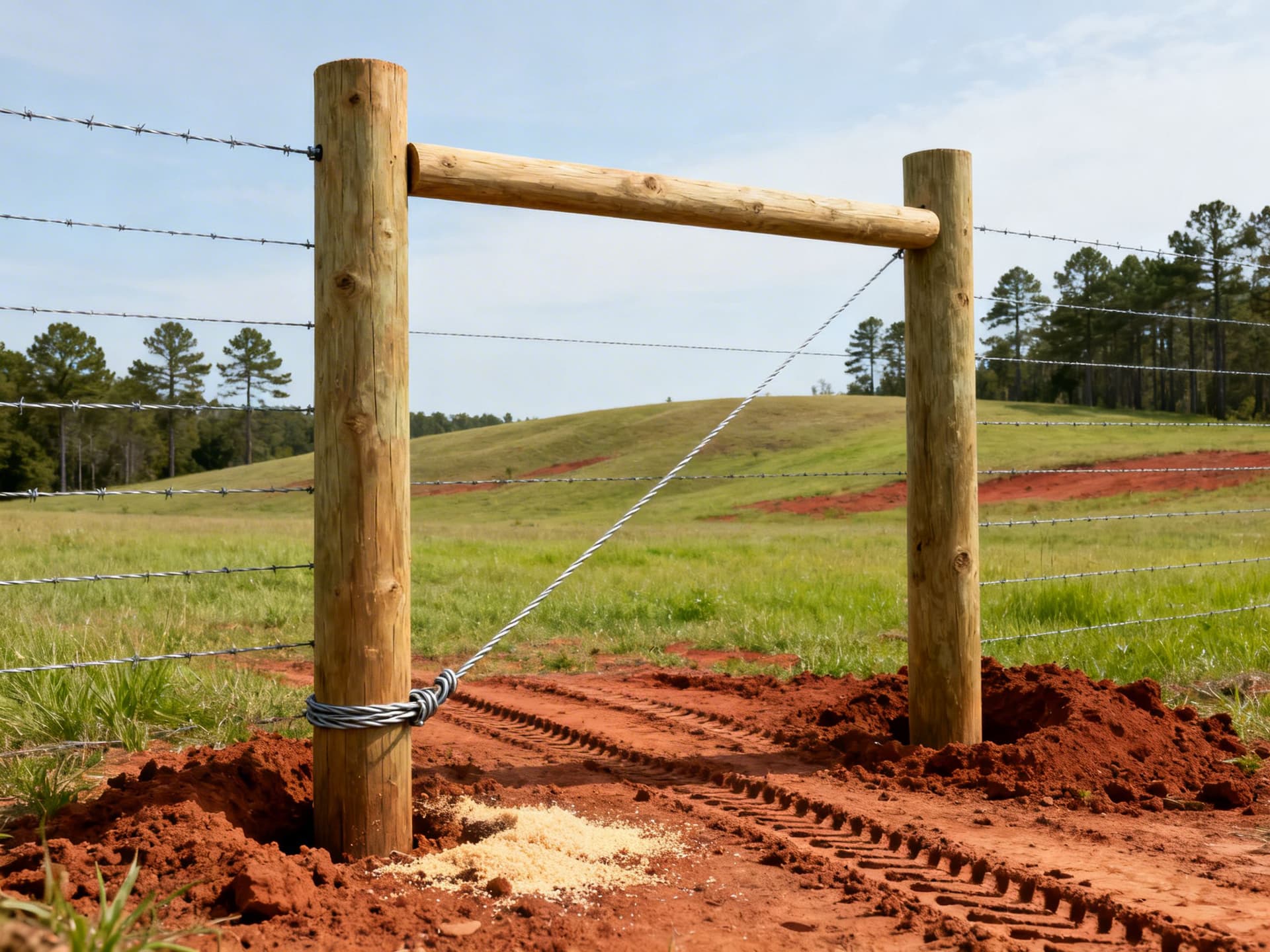
A common mistake is over-tightening a high tensile cable fence. Cable only needs 150-250 pounds of tension, much less than barbed wire PowerFlex Fence, 2025. Proper tensioning prevents excess stress on your posts and hardware. The most critical component is a well-built H-brace at every corner and end. Our deep-set corner posts and extra-long braces guarantee your fence will stand straight and strong for years to come.
Budgeting Your Project: What to Expect for Installation Costs
The final cost of your fence depends on a few factors: the total length, the terrain, your choice of materials, and the number of gates. We provide transparent, detailed estimates so you know exactly what you're paying for. To make your project more accessible, we also offer financing options to help you invest in the quality fence your operation deserves.
Maintaining Your Livestock Cable Fencing for Decades of Service
A quality cable fence is a low-maintenance solution, but a little preventative care goes a long way. A simple annual routine will ensure your livestock cable fencing provides reliable containment and protects your herd for decades.
Creating a Routine Inspection and Re-Tensioning Schedule
Once a year, walk your fence line. Look for any loose or damaged hardware, and check the tension. In our humid climate, a cable fence may need to be re-tensioned every one to three years. This quick adjustment keeps the fence looking sharp and functioning perfectly, whether you're on a homestead near Gainesville or a large operation near Albany.
Managing Vegetation and Preventing Corrosion
Keep grass and vines cleared from your fence line. This simple step prevents moisture from getting trapped against posts and hardware, which is the leading cause of rot and rust. After major storms, especially in coastal areas like the one stretching from Mobile down to the Florida Panhandle, it's a good idea to inspect for any damage or debris.
Frequently Asked Questions About Cable Fencing
How much does a cable fence for cattle cost per foot in Florida?
The installed cost for a cable fence for cattle in Florida typically ranges from $1.60 to $4.50 per foot. The final price depends on material choices, terrain difficulty, and project size, from small farms in Chipley to large ranches near Tallahassee.
Is cable fencing a better choice than barbed wire for containing cattle?
For animal safety and visibility, a cattle cable fence is often considered a superior choice. The smooth, thick cables are highly visible and less likely to cause cuts and scrapes, which can lead to infection and veterinary bills. It provides a strong physical and psychological barrier for your herd.
How often do I need to tighten a cattle cable fence in a humid climate?
In the humid climates of the Southeast, you should plan on checking and potentially re-tensioning your livestock cable fencing every 1 to 3 years. A proper annual inspection will tell you if an adjustment is needed to maintain optimal performance.
What is the most durable type of ranch fencing for properties in South Alabama?
For maximum durability on a ranch in South Alabama, a high tensile cable fence with steel posts and stainless steel hardware offers excellent longevity, especially in coastal zones. The key is using materials that can withstand the high humidity and potential salt spray in areas like Geneva or Enterprise.
Can I get a sales tax exemption on fencing materials in Georgia or Alabama?
Yes. Both Alabama and Georgia offer sales tax exemptions for fencing materials purchased for agricultural use. This can provide significant savings on your project. Be sure to provide the required agricultural affidavit to your supplier, whether you're buying materials in Naylor, GA, or Quincy, FL.
Your Trusted Partner for a Fence That Lasts
A cable fence for cattle is a smart, durable investment for ranchers across the Southeast, but its success depends entirely on using the right materials for our climate and expert installation. You need a fence that's built right the first time, by people who understand the demands of a working ranch.
Bomann Fencing brings over 50 years of hands-on ranching experience to every project. We understand what it takes to protect your livestock and your livelihood because we’ve been doing it our whole lives. We build ranch-tough fences with small-town trust.
To protect your livestock with a fence that's built to last for decades, contact Bomann Fencing today for a free, no-obligation estimate for your property in the Florida Panhandle, South Alabama, or South Georgia.
Share this article
Related Posts

Need Help?
Get expert fencing advice and free quotes. Our team is ready to help with your project.
Available Mon-Fri, 8am-6pm EST
Related Posts
Electric Fence Voltage for Cattle: A Farmer's Guide
Voltage vs. Joules: Getting the Power Right for Your Livestock When you're protecting your livelihood, getting your elec...

Solar Electric Fence Energizer: Cost vs. Long-Term Value
The Financial Breakdown: Upfront Investment vs. Lifetime Value Choosing the right energizer starts with understanding th...

How to Install Electric Fence for Cattle: A DIY Guide
Planning Your Fence & Choosing the Right Materials A reliable electric fence begins with a solid plan. Before you buy an...
How to Choose the Best Electric Fence Charger for Cattle
Matching Energizer Power to Your Cattle & Fence Your electric fence is a psychological barrier, not a physical one. To b...
Wood Farm Fence: Pine vs. Cedar for Your Southeast Farm
The Main Contenders: A Look at Two Popular Fencing Woods When you're building a fence to protect your livestock and defi...